How Long Does Swelling Last After Liposuction Michigan?

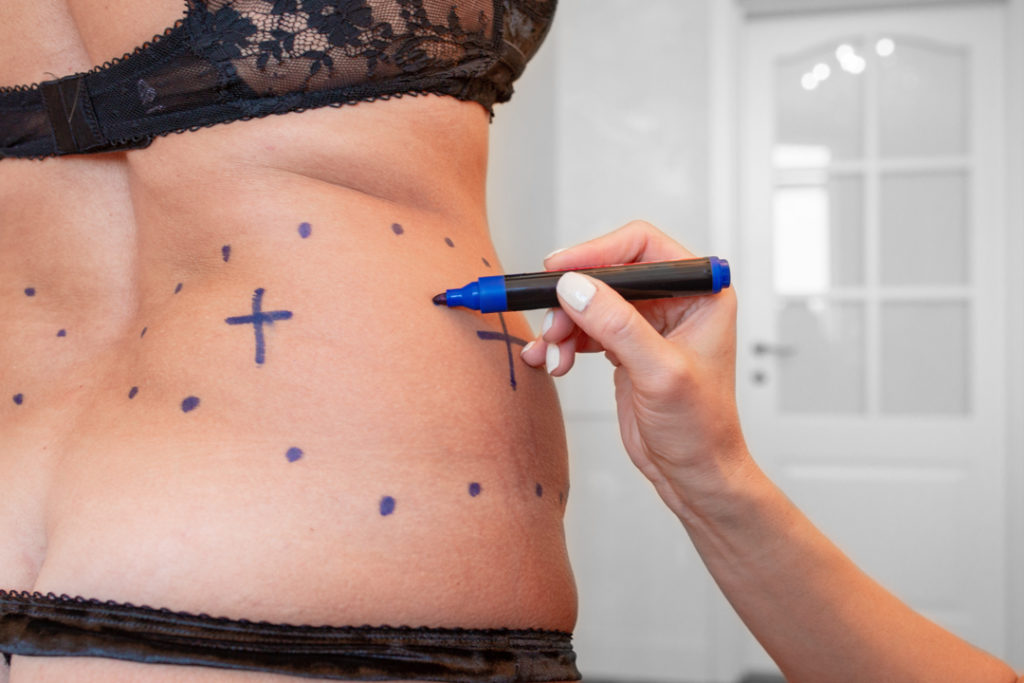
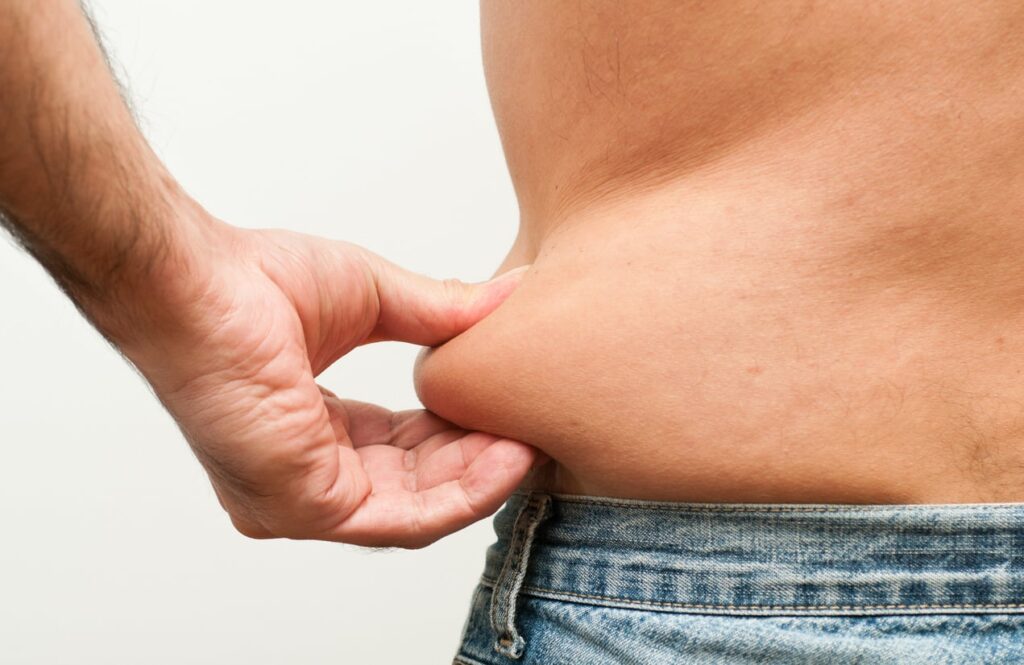
Swelling after liposuction is normal, expected, and often more persistent than many patients assume before surgery. The short answer is that noticeable swelling usually improves significantly within the first six to eight weeks, but mild residual swelling can last three to six months, and in some cases even longer. The exact timeline depends on how much fat was removed, which areas were treated, how your body heals, whether you wear compression properly, and how active you are during recovery.
That broad range matters, because swelling is not a side issue after body contouring. It is part of the healing process itself. If you are considering Liposuction Michigan patients often ask the same practical question: “When will I actually see my result?” The answer is tied directly to swelling, not just the procedure.
A flatter waist, cleaner jawline, or more sculpted thighs may be visible early, but the final contour usually emerges in layers. What you see at two weeks is not what you will see at two months, and what you see at two months is not always the fully settled result.
Why swelling happens after liposuction
Liposuction removes fat through small incisions using a cannula passed through the tissue. Even with careful technique, the process creates controlled trauma beneath the skin. Tiny blood vessels, lymphatic channels, and connective tissue are disturbed. Your body responds by sending fluid, inflammatory cells, and healing signals into the area. That response protects the tissue, but it also creates puffiness, firmness, and temporary irregularity.
Patients are often surprised by how “hard” swollen tissue can feel. They expect soft puffiness, but post-liposuction swelling often feels dense or tight. That is especially common in the abdomen, flanks, back, and upper arms. It does not automatically mean something is wrong. It often reflects fluid retention and early scar formation in the healing layers.
Some body areas swell more dramatically than others. The lower abdomen and flanks tend to hold onto swelling. The inner thighs can stay puffy because they are prone to friction and fluid stagnation. The neck and chin may swell less in overall volume, but because the area is small, even modest swelling can be very noticeable.
Michigan patients also face a practical variable that does not come up enough in generic recovery advice: the season. Cold weather itself does not prevent healing, but winter clothing, lower activity levels, holiday travel, and long periods of sitting can affect how swollen you feel and how steadily you recover. On the other hand, summer heat can make some patients feel more inflamed or uncomfortable in compression garments. Recovery is never just about anatomy. It is about how your daily life interacts with healing.
The typical swelling timeline
The first three days are usually the most dramatic. During this period, the treated area often looks larger than expected. That can be unsettling, especially for someone who expected to wake up looking instantly slimmer. Bruising, fluid drainage, and tightness are common. If tumescent technique was used, some of the fluid placed during surgery may continue to drain from incision sites for a day or two, which is normal and often helpful.
By the end of the first week, some of the initial inflammation starts to settle, but many patients are still clearly swollen. Clothes may fit oddly. One side may look slightly different from the other. The contour can look boxy or uneven. That stage requires patience.
Weeks two through four usually bring the first encouraging changes. Bruising fades. General puffiness starts to come down. People often tell me this is when they begin to feel that the surgery “worked,” even though they are far from the final result. It is also a period when overactivity can set healing back. A patient who feels good at two weeks may return too aggressively to workouts, long days on their feet, or travel, then wonder why swelling flares again.
At six to eight weeks, a substantial amount of swelling has usually resolved. For smaller areas, that may be enough for a very clear preview of the final result. For larger-volume liposuction, especially of the abdomen, flanks, back, or multiple zones at once, deeper swelling can remain hidden even when the outside looks much better.
Three months is a major checkpoint. By then, many patients see a refined contour, softer tissue, and more definition. Yet even at this stage, subtle swelling can blur the final details. This is one reason postoperative photos taken too early can be misleading.
By six months, most healthy patients are close to their long-term result. In larger cases, revision cases, or areas with slower lymphatic drainage, continued improvement may still occur after that point. It is not common for Liposuction Michigan dramatic swelling to persist that long, but low-grade tissue fullness can.
What changes the timeline
No surgeon can give a precise universal answer because swelling behavior varies. The pattern is predictable, but the duration is individual.
The volume of fat removed matters. A small submental liposuction under the chin recovers differently from circumferential abdominal and flank contouring. Multiple treated areas create a larger healing burden. So does more aggressive contouring.
Your baseline health matters too. Someone who is generally active, at a stable weight, well hydrated, and free of smoking-related vascular issues often recovers more smoothly. A patient with diabetes, poor circulation, or chronic fluid retention may take longer. Hormonal factors can also play a role. Some women notice swelling fluctuates with their menstrual cycle during the early recovery period.
Age influences healing, though not always in obvious ways. Younger skin may bounce back quickly, but younger patients are also more likely to push activity too soon. Older patients may heal steadily but more gradually. There is no perfect age-based rule.
Technique matters as well. Gentle tissue handling, thoughtful cannula selection, and avoiding unnecessary trauma can reduce prolonged swelling. That said, even excellent surgery does not eliminate the inflammatory response. Anyone promising “no swelling” is not describing real postoperative recovery.
What is normal, and what feels normal but is not
Most swelling after liposuction follows a gradual up-and-down improvement. It gets better, then worse after activity, then better again. Mild asymmetry is common early on. Morning and evening can look different. Some people feel more swollen after salty meals, travel, poor sleep, or returning to exercise.
Normal swelling often comes with sensations patients do not anticipate. Tingling, numbness, heaviness, tightness, and intermittent firmness can all accompany healing. Treated areas may feel strangely wooden or less responsive for weeks. That does not necessarily signal a problem.
There are, however, michellehardawaymd.com Liposuction Michigan situations that deserve prompt attention. Rapid one-sided swelling, worsening pain, spreading redness, fever, foul drainage, or shortness of breath should never be brushed off as routine postoperative changes. Swelling that becomes dramatically more tense or suddenly enlarges can indicate a complication that needs assessment.
A practical rule many surgeons share is simple: gradual discomfort and gradual improvement tend to fit normal healing, while sudden deterioration deserves a call.
Compression garments and why they matter
Compression garments are one of the most effective tools for controlling postoperative swelling. They support the tissue as it re-adheres, reduce dead space where fluid can collect, and help patients feel more secure during movement. They do not erase swelling, but they can make recovery smoother and shape more predictable.
Patients sometimes assume tighter is better. Usually it is not. A garment that is excessively tight can create pressure points, worsen discomfort, and even cause uneven indentation. Good compression should feel snug and supportive, not punishing.
Most surgeons recommend near-constant use in the early phase, often for several weeks, followed by a tapered schedule depending on the area treated and the pace of healing. Exact instructions vary. An abdomen and flank case may call for a different compression strategy than arm or chin liposuction.
A common real-world mistake is “weekend inconsistency.” A patient wears the garment faithfully during the workweek, feels improved, leaves it off for long stretches on the weekend, becomes more active, then notices swelling rebound. That does not mean recovery failed. It means tissue still needed support.
Why swelling can seem worse before it seems better
One of the more frustrating parts of liposuction recovery is that the visual story is not linear. Many patients look down at two or three weeks and think the area appears thicker, lumpier, or less defined than it did right after surgery. That can happen because the earliest fluid drainage has stopped, bruising is fading, and deeper inflammatory swelling is becoming more apparent.
Fibrosis also enters the picture. This is the normal process of early scar tissue formation within the treated layer. It can make the tissue feel uneven, firm, or ropey. In the right context, that is a routine part of healing. Over time, it often softens significantly.
I have seen patients panic at the one-month mark because their lower abdomen looked fuller than expected, only to be genuinely pleased at the three-month mark without any intervention beyond consistent garment use, walking, hydration, and patience. The body rarely follows our desired calendar.
Steps that genuinely help reduce swelling
Some recovery advice is useful. Some is folklore. The basics remain the most effective.
- Wear your compression garment exactly as directed.
- Walk regularly, even if only in short sessions at first.
- Stay hydrated and keep sodium intake reasonable.
- Avoid intense workouts until cleared by your surgeon.
- Attend follow-up visits so healing can be assessed in context.
Those points sound simple because they are, but they are also where many recoveries go off track. The patient who alternates between complete inactivity and overexertion often swells more than the patient who stays gently but consistently mobile. Walking supports circulation and lymphatic flow without placing excessive stress on the treated tissues.
Hydration matters more than most people think. Dehydration can make you retain fluid and feel more inflamed. At the same time, “detox” regimens and extreme low-calorie diets during recovery are usually a bad idea. Healing tissue needs adequate protein, calories, and micronutrients.
Salt is another area where nuance helps. You do not need to eat like a monk, but a weekend of restaurant food, alcohol, and long hours sitting in the car can make swelling rebound noticeably. That is especially common during the first month.
What about lymphatic massage?
Manual lymphatic drainage is frequently discussed after liposuction, and it can help selected patients, particularly those with persistent fluid retention, firmness, or areas that feel slow to settle. It is not magic, and it is not mandatory in every case. Its usefulness depends on the surgical plan, the area treated, and the skill of the practitioner.
Some patients feel clear relief after a few sessions. Others see little difference. Timing matters too. Too much manipulation too early can make tissue angrier rather than calmer. This is a good topic to discuss directly with the operating surgeon instead of relying on social media advice or a one-size-fits-all spa package.
In my experience, the best candidates for postoperative massage are patients with significant body area treatment, prolonged firmness, or a tendency toward fluid retention. The worst candidates are often those who think massage will compensate for ignoring compression, activity restrictions, or follow-up care.
When you can expect to “look normal” again
This is often the real question hiding beneath concerns about swelling. Patients usually want to know when they can return to work, wear fitted clothes, attend an event, or go on vacation without looking obviously postoperative.
For desk work, many people can return within several days to a week, depending on the extent of treatment. Looking socially presentable is a different standard. Bruising and swelling can still be visible for weeks, especially in exposed areas or in patients who bruise easily.
If you have a wedding, professional photo session, reunion, or beach trip, giving yourself a generous buffer is smart. Six to eight weeks is better than two to three if appearance matters. Three months is more comfortable if you want the contour to look convincingly settled.
I have known patients who planned abdominal liposuction four weeks before a winter getaway, expecting to feel ready in a swimsuit. Some were happy enough to go. Others spent the trip managing swelling, garment wear, and frustration that their body had not “caught up” to the calendar. The procedure itself may have been successful, but the timing was not ideal.
The emotional side of swelling
Swelling is physical, but it affects confidence and expectations in a very human way. Early recovery can mess with your perception. You may focus on one fold, one bulge, or one asymmetry and miss the broader trend of improvement. This is especially true for patients who have stared at the treated area for years and now examine it daily under bathroom lighting.
The hardest window for many people is not the first few days. It is the middle phase, when you are no longer acutely recovering but not yet fully healed. Friends assume you should be “done.” You feel well enough to resume life. Yet the result is still unfolding, and your patience gets tested.
Good preoperative counseling helps here. Patients who understand that swelling can last months generally cope better than patients who expected a dramatic reveal by week two.
Does Michigan’s climate affect liposuction recovery?
Indirectly, yes. Climate does not change the biology of wound healing in a dramatic way, but it changes how people move, dress, and tolerate compression. In Michigan, winter recovery often means less walking outdoors, heavier clothing over garments, and more time in cars during holiday travel or weather disruptions. That combination can make people feel stiffer and puffier.
Summer has a different challenge. Heat can increase the sensation of swelling and make garments feel intolerable. Patients sometimes shorten wear time because they are uncomfortable. That can slow progress.
This is one reason local experience matters when discussing Liposuction Michigan practices and recovery routines. Advice should fit how people actually live. A realistic surgeon will ask about work demands, travel plans, exercise habits, and the time of year, not just the amount of fat being removed.
Signs you are moving in the right direction
If swelling is your main concern, look for trends rather than daily fluctuations. Useful markers include looser clothing, softer tissue, less evening puffiness, better symmetry over time, and gradually improved definition in treated areas. Photos taken every two weeks in the same lighting can be more helpful than memory.
Here is a simple way to think about progress:
- Early recovery is about drainage, rest, and protecting the tissue.
- Mid recovery is about steady compression, walking, and resisting overactivity.
- Later recovery is about allowing the contour to refine while normal life resumes.
That framework keeps people from judging themselves too early. It also explains why two patients can have equally successful surgery and very different emotional experiences. The one who expects an instant result often feels disappointed. The one who expects a process usually recognizes improvement more clearly.
When to talk to your surgeon about persistent swelling
If you are past the usual milestones and still feel unusually full, firm, or uneven, it is worth checking in. Most of the time, the explanation is normal slow resolution, but persistent swelling can sometimes relate to seroma formation, scar tethering, delayed lymphatic recovery, or simply the need to reassess expectations.
A good follow-up exam matters more than internet comparisons. Photos online rarely show the full recovery arc, and they almost never show the awkward in-between stage. Your surgeon can tell the difference between ordinary healing and something that needs treatment.
Patients occasionally worry that persistent swelling means the fat is “coming back.” In the early months, that is usually not the issue. Temporary postoperative fullness is far more common than true fat regain. Weight changes over time are a separate matter, but they do not explain the short-term swelling pattern right after surgery.
The realistic answer
So, how long does swelling last after liposuction? In most cases, the biggest visible swelling improves over the first six to eight weeks. A more refined result often appears around three months. Final settling commonly takes three to six months, and some patients continue to notice subtle improvement beyond that.
That may sound like a long time, but it is the honest answer. Liposuction creates contour change quickly in the operating room, yet the body reveals that change gradually. The better you understand that pace, the easier recovery tends to feel.
If you are planning Liposuction Michigan treatment, the smartest approach is to build recovery expectations around months, not days. Choose your surgery date carefully, follow compression and activity instructions closely, and judge progress by trends instead of daily ups and downs. The swelling fades. The shape emerges. Patience is part of the procedure, whether anyone mentions it at the consultation or not.
Aesthetic Plastic Surgery & Laser Center, Michelle Hardaway M.D.
27920 Orchard Lake Rd, Farmington Hills, MI 48334, United States
+1 248-221-1957
FAQ About Liposuction Michigan
Is 55 too old for liposuction?
Age 55 alone does not determine suitability. A surgeon evaluates overall health, skin quality, healing risks, and realistic goals. A personal consultation is needed to assess candidacy and discuss alternatives.
What happens 10 years after liposuction?
Contour improvements can last, especially with stable weight. Aging, pregnancy, and weight changes can alter the appearance over time. Results vary, and liposuction does not prevent future body changes.
Can lipo get rid of an apron belly?
Liposuction reduces localized fat but does not remove hanging excess skin. An apron belly may require assessment for a skin-removal procedure instead of, or alongside, fat removal. A qualified plastic surgeon can explain appropriate options and their risks.